
Tattoos and piercings are no longer just for artists and rock bands. Plenty of managers, analysts, engineers, and executives now walk into offices every day with ink and metal—and still look polished, credible, and completely professional. The key isn’t hiding who you are; it’s understanding corporate culture, choosing smart placements and jewelry, and learning how to style what you already have so it supports your role instead of fighting it.
“This guide covers professional piercings for work—from safe lobe placements to subtle helix hoops…”
This guide walks through office-friendly piercing choices, ways to style visible tattoos, what to look for in a dress-code policy, and how to show up confidently as your full self at work. Whether you’re job hunting, starting a new role, or testing boundaries in your current position, these strategies help you blend authenticity with professionalism seamlessly.
Check out of Previous post- Your Dream Curated Ear: A Guide to Cute, Minimal, Aesthetic Piercings for 2026
What You’ll Master in This Guide (Quick Roadmap)
Before diving into the steps, here’s your corporate style blueprint at a glance. This teaser shows exactly what you’ll gain:

Core Strategies You’ll Learn:
-
Dress Code Decoder: Spot “tattoo-friendly” vs conservative cultures (handbook + observation).
-
Safe Piercing Map: Lobes/helix first, hands/neck last—placement ranked by office risk.
-
Jewelry Playbook: 2mm studs, clear retainers, huggie hoops—professional sparkle rules.
-
Tattoo Styling Hacks: Forearm ink + French cuffs = executive polish.
-
90-Day Confidence Timeline: Conservative start → authentic reveal.
-
Asking Scripts: “Nostril stud ok?” templates that build trust.
-
Outfit Formulas: 8 wardrobe combos elevating any ink/piercings.
Real Results: Walk into meetings as your tattooed/pierced self, looking leadership-ready. Save time second-guessing, gain confidence fast. Ready? Steps start now.
Step 1: Read the Room (and the Dress Code)
Before worrying about what you can wear, figure out what your company actually expects. “Corporate” is not one single standard anymore. A creative agency, SaaS startup, or tech company will often tolerate (or even celebrate) visible tattoos and piercings, while a bank, law firm, or traditional consulting firm may expect a more muted look.

Start with what’s written:
-
Check your employee handbook or onboarding documents for language about “visible tattoos,” “facial piercings,” “business attire,” or “business casual.”
-
Look for phrases like “discreet,” “not distracting,” or “no offensive imagery”—those usually leave room for tasteful ink and jewelry.
Then observe what people actually do:
-
Notice how your manager and senior leaders present themselves in client meetings and presentations.
-
Pay attention to colleagues in similar roles: a back-end engineer may get away with more visible body art than a client-facing account manager.
If you’re unsure, ask HR or your manager neutrally: “Is there any policy on visible tattoos or facial piercings I should be aware of?” This shows professionalism without over-sharing.
Step 2: Professional Piercings for Work – Safe Placements
Some placements naturally read more “professional” because they’re either subtle, easy to cover, or already normalized. If you’re planning new piercings and know you’ll be in a corporate environment, prioritize these:
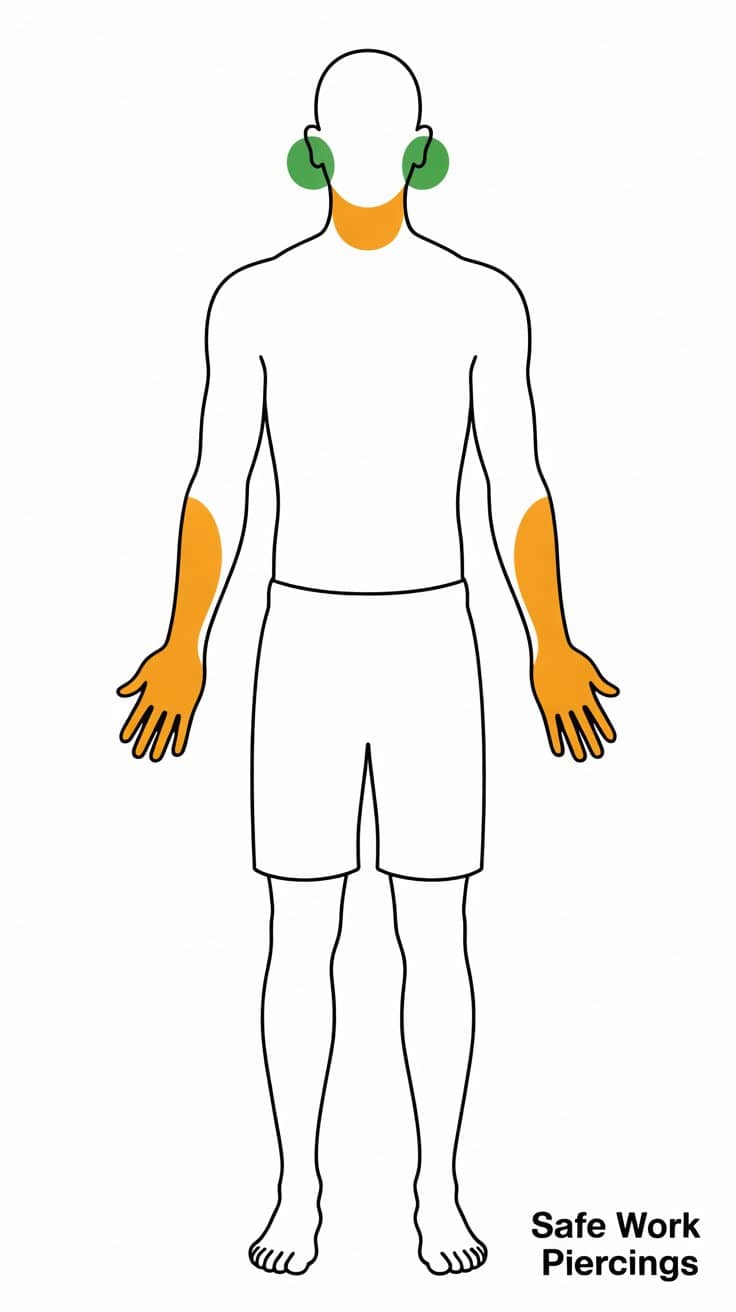
Top safe choices:
-
Standard lobes: Universally accepted. Tiny studs or small hoops work anywhere.
-
Second/third lobes: Easy stacking with delicate studs. Vertical lines look intentional.
-
Hidden cartilage (flat, inner conch, or upper helix): Barely visible with hair down.
-
Navel or torso: Fully covered by standard clothing.
Facial piercings need caution:
-
Single nostril stud often passes in modern offices.
-
Septum, eyebrow, or multiple facial piercings work better with clear retainers for conservative settings.
Placement strategy: Start low-commitment (lobes), add cartilage later. Space piercings thoughtfully—crowded looks read less polished. Professional piercers using needles (not guns) ensure cleaner heals that maintain a refined appearance long-term.
Step 3: Choosing Office-Appropriate Jewelry
Even bold placements look polished with the right jewelry. Optimize for scale (small), shape (simple), and color (neutral).
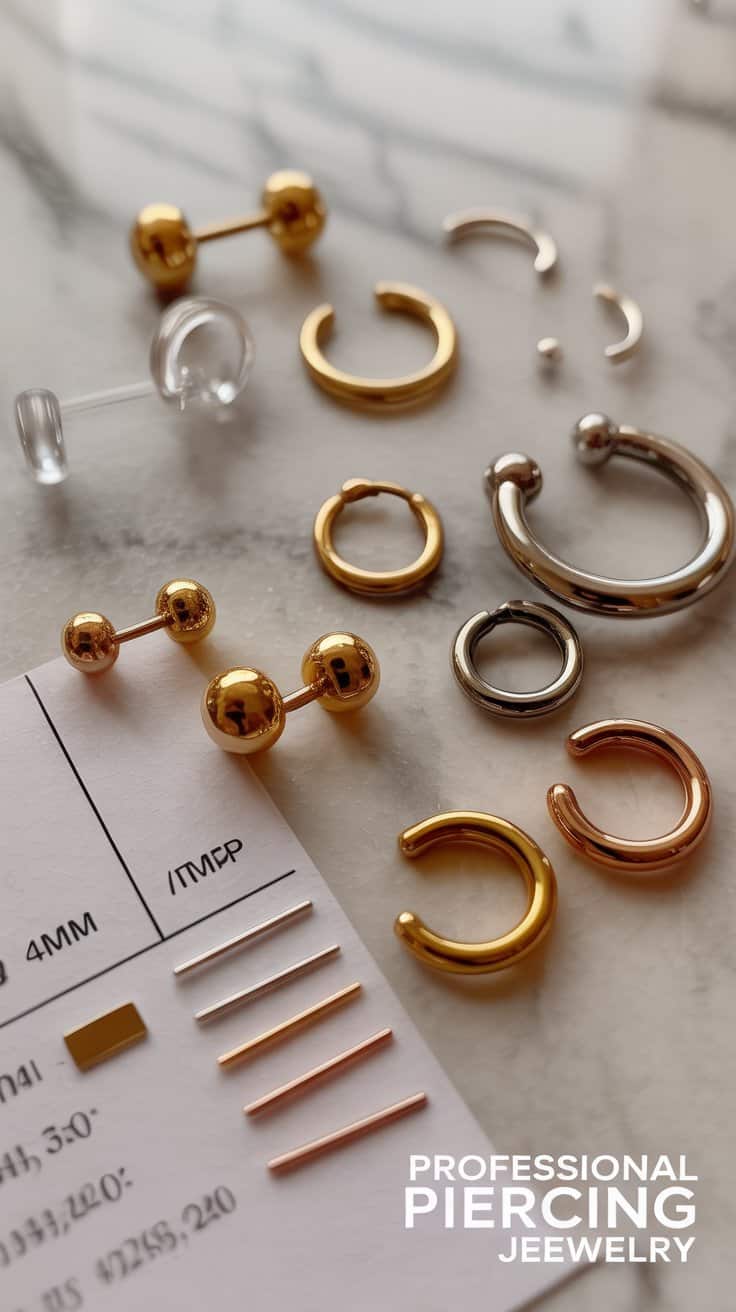
Size guidelines:
-
1.5–3mm studs for lobes/nostrils—refined, not flashy.
-
Tiny huggie hoops (4-6mm) beat large dangles.
Shape priorities:
-
Smooth disks, round gems, small pearls, or bars over spikes/claws.
-
Flat-back labrets prevent snags on collars.
Color palette:
-
Gold, silver, rose gold, black titanium, clear CZ.
-
Save neon or themed pieces for weekends.
“Professional piercings for work prioritize scale (small), shape (simple), and color (neutral)…”
Clear retainers save the day: Nearly invisible, they keep holes open during interviews or conservative meetings. Surgical steel or glass options look most natural.
Quality matters—hypoallergenic implant-grade titanium or 14k gold resists irritation, maintaining that “expensive, intentional” vibe. Swap healed piercings confidently; fresh ones stay simple. Check out my Fav studs and Body Gems.
Step 4: Making Tattoos Look Professional
Tattoos don’t scream “unprofessional” automatically—poor placement, styling, or content does. Smart choices make ink an asset.
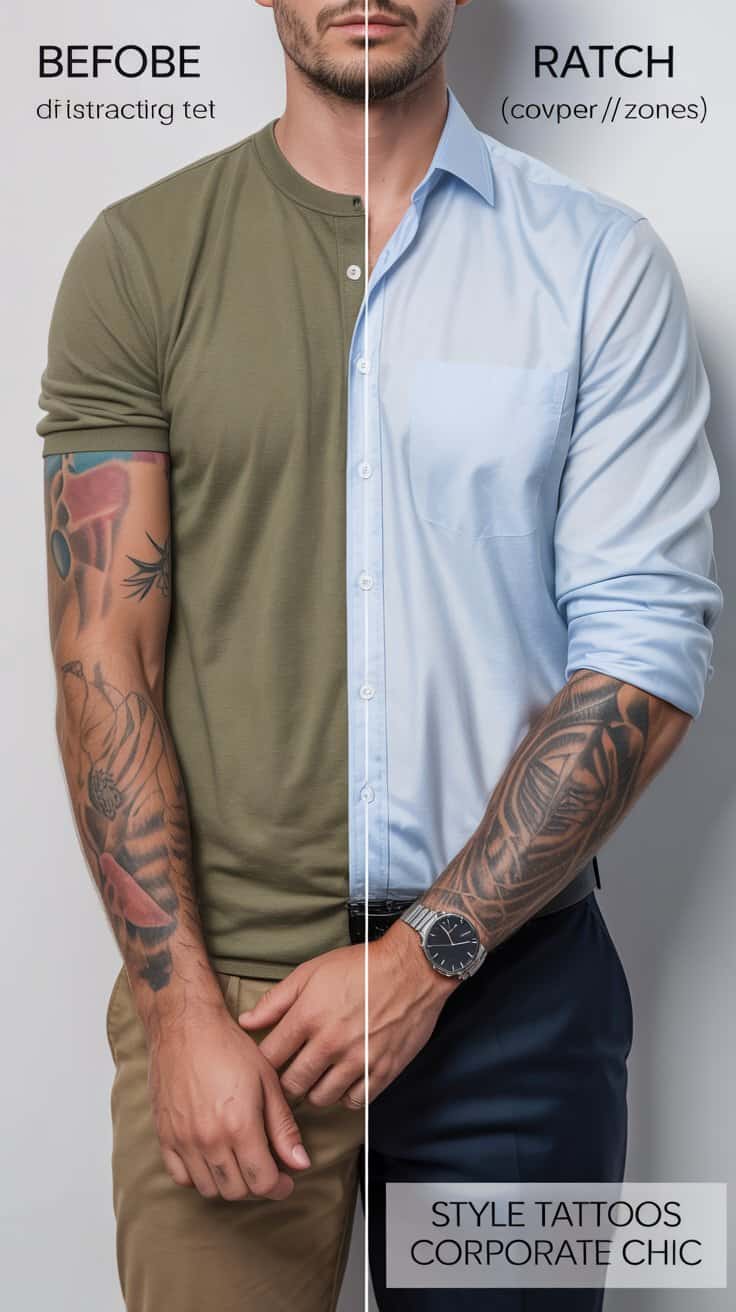
Placement matters most:
-
Easy cover: Upper arms, back, ribs, thighs, torso.
-
Strategic reveal: Behind ear, upper forearm (sleeve optional).
-
Riskier: Hands, neck, face—save for progressive workplaces.
Content curation:
-
Safe: Florals, geometry, minimal linework, positive quotes.
-
Caution: Political, explicit, or violent imagery.
-
Well-healed tattoos always look sharper—touch-ups refresh old ink.
Outfit integration:
-
Forearm sleeve tattoo + crisp button-down + watch = designed look.
-
Colorful leg ink + tailored trousers = balanced polish.
-
Busy tattoos pair with solid neutrals; minimal ink allows pattern play.
Pro styling hacks:
-
SPF prevents fading (professional maintenance).
-
Moisturize for smooth, vibrant appearance.
-
Test visibility gradually—cover for interviews, reveal on casual days.
Tattoos signal confidence when styled intentionally. They become conversation starters about your story, not distractions from your skills.
Step 5: Balancing Authenticity with Strategy
Tension between “real you” and “office you” is normal in an early career. The goal: present a personality supporting your competence.
Mindset shift:
-
View body art as a personal brand accent, not a definition.
-
Ask: “Does this frame my expertise or compete with it?”
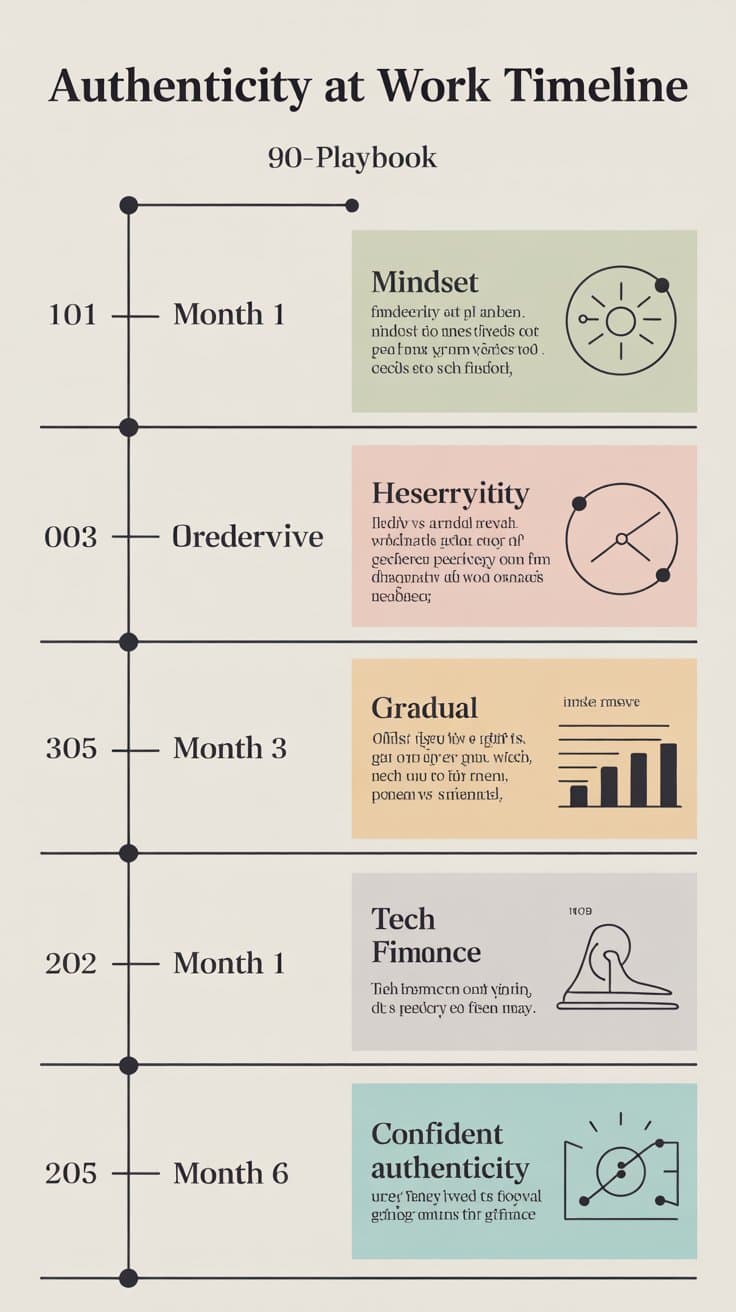
90-day playbook:
-
Months 1-3: Conservative coverage while learning culture.
-
Month 4+: Gradually test visibility as trust builds.
-
Client-facing roles: Dial back slightly; internal roles relax.
Progressive industries (tech, creative, healthcare) embrace more; finance/law stay traditional. LinkedIn shows company vibes—diverse employee photos signal openness.
Authenticity wins long-term. Strong work + thoughtful presentation outweighs any ink. Your confidence becomes the real signature.
Step 6: Communication: Asking Without Apology
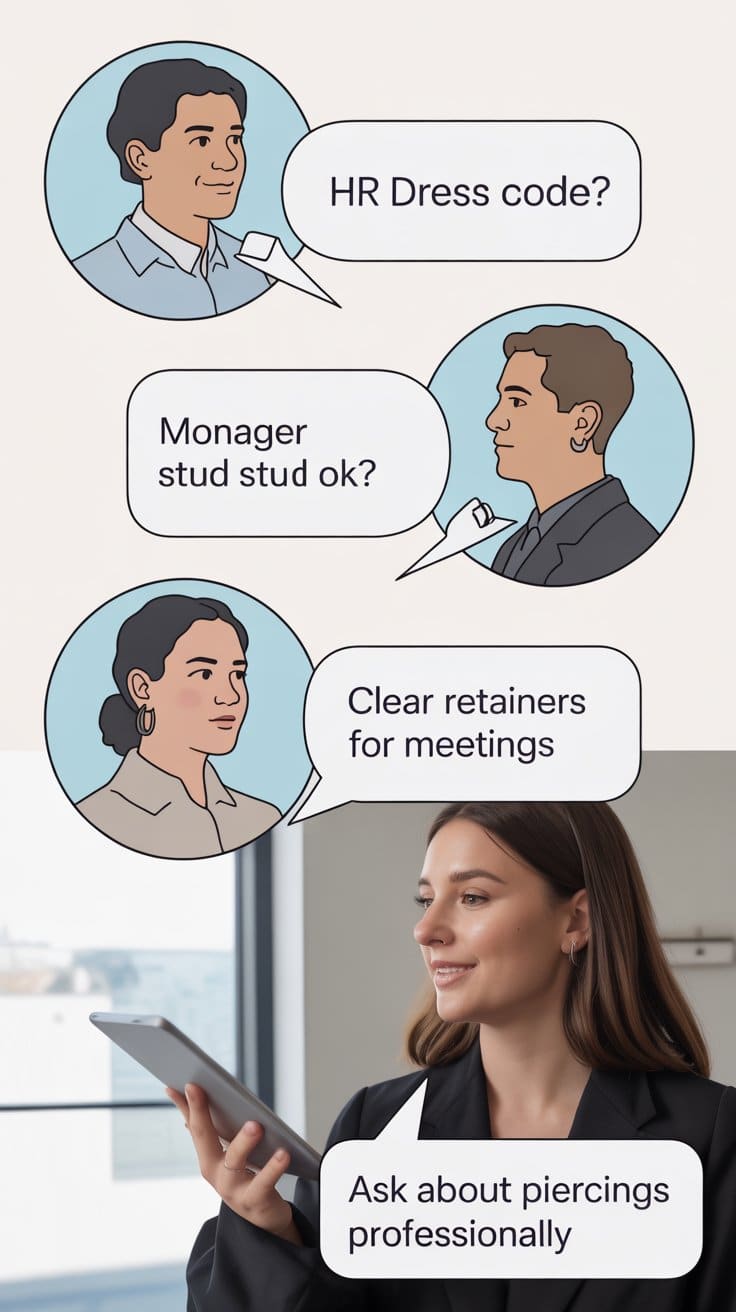
Clear conversations prevent assumptions. Frame professionally:
HR inquiry: “Does the dress code address visible tattoos or facial piercings for my role?”
Manager chat: “I’m considering a small nostril stud. Is that aligned with client expectations here?”
Lead with solutions:
-
“I’ll keep it discreet and use clear retainers for meetings.”
-
“Happy to cover tattoos for presentations.”
Document responses. This demonstrates maturity, turning potential issues into non-events. Most reasonable workplaces appreciate proactive clarity over surprises.
Step 7: Dressing Around Your Modifications
Wardrobe elevates any look. Structured pieces make tattoos/piercings feel designed.

Power combinations:
-
Forearm tattoo + French cuff shirt + cufflinks = executive.
-
Neck ink + high collar + statement necklace = layered polish.
-
Lobe stacks + blazer + pearl studs = refined feminine.
Universal upgrades:
-
Tailored fits over baggy.
-
Neutral palettes balance bold ink.
-
Accessories harmonize (watch matches earring metal).
Grooming anchors:
-
Clean nails, styled hair, pressed clothing.
-
Moisturized tattoos shine professionally.
Casual Fridays test more visibility safely. Your clothing tells the story your ink supports—polished, intentional, competent.
Step 8: When It’s Not the Right Fit
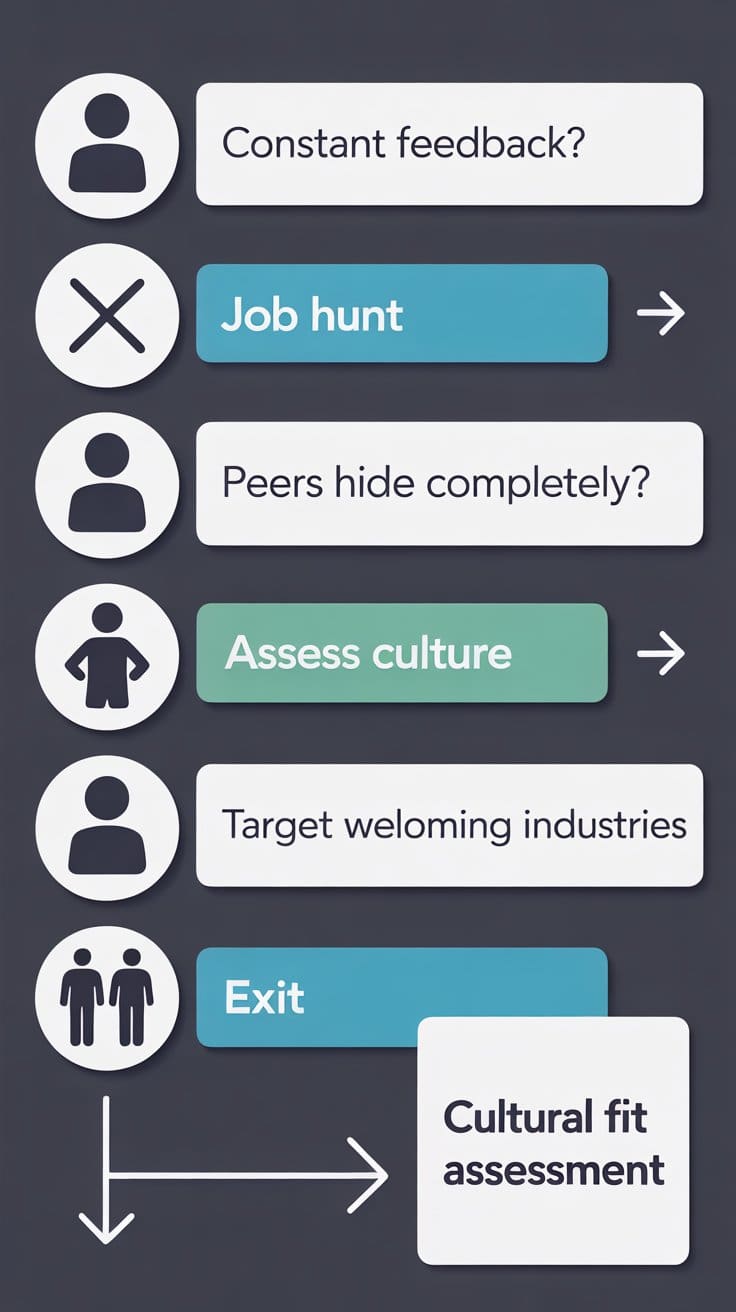
Some environments resist visible modifications despite progress. Signs of mismatch:
-
Constant feedback only on appearance (work solid).
-
Peers with similar roles hide completely.
-
Policy explicitly bans facial piercings/visible tattoos.
Strategic exits:
-
Maintain professionalism while job hunting.
-
Target welcoming industries (tech, marketing, nonprofits).
-
Interview assessment: Employee photos, casual dress observed.
No shame in cultural fit search. You deserve advancement without self-erasure. Many tattooed/pierced leaders thrive in aligned environments—find yours.
Conclusion: Professionalism Is Behavior, Not Appearance
Tattoos and piercings enhance, not hinder, corporate success when styled strategically. Smart placements, subtle jewelry, intentional outfits, and clear communication create polished authenticity.
Key takeaways:
-
Read the culture before revealing.
-
Prioritize lobes, quality metals, healed ink.
-
Confidence > concealment.
Strong work ethic trumps appearance every time. Bring your full self confidently—professionalism shines through competence, kindness, and delivery. You’ve got the blueprint. Now own the boardroom.